The Clinton County Budget Commission plays a vital role in managing local finances and ensuring fiscal oversight. Each year, it reviews budget requests from schools, townships, and municipalities to verify projected revenues and planned spending. By approving tax levies, the commission ensures that public services receive consistent funding. Residents can rely on its work to track how their property taxes are calculated and distributed. Transparency in this process helps the community understand how local governments allocate resources efficiently.
The Clinton County Budget Commission also oversees compliance with state finance laws and maintains records of approved levies and budget submissions. Property values, tax rates, and revenue projections are all carefully examined to prevent errors and shortfalls. Through public meetings and official documentation, taxpayers can see how financial decisions impact daily services like education, road maintenance, and emergency response. This oversight keeps county finances predictable, fair, and well-organized for all stakeholders.
What Is the Clinton County Budget Commission?
The Clinton County Budget Commission is a county fiscal board and local government funding authority under Ohio law. It serves as a revenue allocation board and tax budget review panel, working closely with the Clinton County Auditor to oversee municipal budget approval and county finance oversight, ensuring fair and accurate funding for schools, townships, and local governments.
Legal Authority and Purpose
Established under Ohio Revised Code, the commission has the authority to review budgets, certify tax levies, and approve funding for local agencies. Its primary goal is to maintain fiscal accountability and ensure that public resources are distributed correctly among municipalities, school districts, and townships.
Who the Commission Serves
The commission supports multiple local entities, including:
- School districts – for operating budgets and levy certifications
- Townships – to ensure proper funding for local services
- Municipalities – for infrastructure and administrative budgets
- Special districts – for public projects and programs
How the Tax Levy Approval Process Works
The tax levy approval process in Clinton County ensures local governments receive proper funding while maintaining fiscal responsibility. The budget commission levy process reviews municipal budgets, verifies assessed property values, calculates millage rates, and certifies tax levies. This guarantees schools, townships, and municipalities are funded accurately, keeping public services consistent.
Steps to Tax Levy Approval Process
The process follows a clear sequence to make sure all submitted budgets are accurate and lawful. The commission reviews each budget carefully, identifies any discrepancies, and ensures that tax rates reflect current property valuations. Public transparency is maintained through notifications, so residents understand how their taxes support community services.
- Budget Submission by Municipalities
Municipalities, school districts, and townships submit budgets detailing projected revenues and expenditures.- Includes township budget submission and school district funding requirements
- Highlights planned capital projects and operational expenses
- Review by Budget Commission
The Clinton County Budget Commission examines submissions, verifies revenue estimates, and ensures spending aligns with assessed property values. - Adjustment or Revision
If inconsistencies are found or legal limits are exceeded, the commission requests revisions. This may involve:- Adjusting millage rates
- Reallocating funds among departments or districts
- Certification of Tax Rates
Approved rates are certified and entered into the tax duplicate, authorizing collection for the fiscal year. - Public Notification
Approved levies and tax rates are published publicly. Residents can view details of funding allocations and understand how taxes support essential services.
Legal Authority & Structure of the Budget Commission
The Clinton County Budget Commission operates under the Ohio Revised Code, granting it statutory authority to review local budgets, certify tax levies, and oversee fiscal compliance. This fiscal authority structure ensures transparency in public finances, aligns municipal and township funding with state law, and provides fair oversight of school district funding and other local government operations.
Governing Laws and Statutory Duties
The commission’s powers come directly from the Ohio Revised Code, giving it clear statutory duties to manage county finances. It ensures that budgets meet legal requirements, levy approvals are accurate, and local governments adhere to proper accounting practices.
- Reviews and approves local government budgets
- Certifies property tax levies and millage rates
- Monitors compliance with county finance oversight rules
Composition of Commission Members
The commission is composed of key officials whose roles are legally defined:
- County Auditor (Clinton County Auditor’s Office) – Prepares revenue estimates and financial reports
- County Treasurer – Oversees fund collection and distribution
- Prosecuting Attorney – Provides legal guidance to ensure statutory compliance
Decision-Making Process
Decisions are made collaboratively, following a structured review workflow. The auditor examines submissions and suggests adjustments, the treasurer confirms fund availability, and the prosecuting attorney ensures all actions comply with the law.
- Meetings are documented with official minutes
- Levy certifications record approved rates
- Public transparency is maintained through published records
Core Responsibilities of the Clinton County Budget Commission
The Clinton County Budget Commission ensures fiscal oversight in Clinton County and manages the tax levy approval process. It monitors public fund distribution, verifies budgets, and ensures local governments—including schools, townships, and municipalities—receive accurate funding. The commission also maintains transparency, legal compliance, and reliable revenue certification for all county entities.
Tax Levy Approval & Rate Determination
The commission carefully reviews each proposed tax levy to determine accurate millage rates and ensures compliance with Ohio law. By analyzing assessed property values and expected revenue, it certifies levies that fund essential local services. This process protects taxpayers and maintains stable funding for all districts.
- Review submitted levy requests from municipalities and school districts
- Calculate levy rates based on assessed property values
- Adjust proposed levies to meet legal limits
- Certify approved rates for collection
Allocation of Property Tax Revenue
Once tax levies are approved, the commission oversees property tax allocation to ensure funds are distributed fairly across local entities. This includes school districts, townships, and municipalities, supporting operational budgets and capital projects while maintaining fiscal accountability.
- Allocate funds to school districts, townships, and municipalities
- Ensure proper public fund distribution for operational and capital needs
- Monitor adjustments based on updated valuations or levy changes
Review of Municipal & Township Budgets
The commission conducts budget review hearings to verify accuracy, legality, and feasibility of municipal and township budgets. By assessing expenditures and revenue estimates, it ensures that all local governments can operate responsibly within available resources.
- Analyze proposed expenditures and revenues
- Identify discrepancies or potential shortfalls
- Recommend revisions or adjustments before final approval
- Maintain compliance with fiscal oversight requirements
Revenue Certification for Local Governments
The commission certifies revenue to confirm that all local governments receive accurate and legally authorized funds. Revenue certification helps districts plan spending confidently while maintaining transparency and accountability for taxpayers.
- Verify projected revenues from all sources
- Issue official certifications for tax levy collections
- Ensure school districts and municipalities can plan budgets effectively
- Record all decisions in official minutes for public reference
Local Government Funding & Revenue Distribution
The Clinton County Budget Commission oversees local government funding in Clinton County and manages the revenue distribution process. It ensures that all municipalities, townships, school districts, and special districts receive fair allocations, supporting public services like education, infrastructure, and emergency response. The CAUV Program plays a role in determining property valuations that affect these distributions. Distribution is based on assessed property values, approved levies, and legal requirements under Ohio law.
How Funds Are Divided
Funds collected from property taxes and other sources are allocated based on statutory formulas and local needs. Each jurisdiction receives a portion proportionate to its assessed value and approved levy rates, ensuring resources are distributed equitably.
- School districts receive funding for operational and capital expenses
- Townships and municipalities receive allocations for local services and infrastructure
- Special districts receive funds for designated projects or programs
Who Receives Allocations
The commission distributes revenue to multiple local entities, ensuring each public service area is funded adequately:
- Municipal corporations – for city operations and capital projects
- Townships – for local governance and essential services
- School districts – to support education programs and facilities
- Special districts – for parks, libraries, or public utilities
Factors Affecting Distribution
Revenue distribution is influenced by several factors, including assessed property values, approved levies, statutory limits, and prior year collections. Changes in property valuation or tax levies can adjust allocations each fiscal year, requiring careful oversight by the budget commission.
- Updates to assessed property values affect allocation shares
- Adjusted levy rates impact funding for specific districts
- Statutory requirements ensure minimum funding for schools and essential services
- Historical collection patterns guide projection and distribution
Meeting Schedule, Public Access & Transparency
The Clinton County Budget Commission holds regular meetings to review budgets, certify tax levies, and oversee local government funding. These sessions follow open meetings law, allowing citizen oversight and promoting transparency in governance. Residents can attend meetings, observe deliberations, and request records to understand how public funds are allocated.
Where Meetings Are Held
Meetings are typically held at the Clinton County Auditor’s Office or other designated county facilities. Advance public notices are provided so residents can plan attendance and participate in discussions about budget approvals. These meetings ensure that local government financial decisions are visible and accountable to the public.
- Primary location: Auditor’s Office conference room
- Alternative locations announced in public notices
- Meetings adhere to posted times and agendas
How to Attend
Citizens are welcome to attend meetings in person to observe discussions and provide input during public comment periods. This allows community members to participate in local government decisions affecting public fund allocation and service delivery.
- Arrive early for seating and registration if needed
- Follow the agenda for public comment opportunities
- Maintain decorum and respect meeting procedures
How to Request Minutes
The commission maintains minutes and official records for all meetings. Residents can submit a public records request to obtain copies of meeting minutes or documents, ensuring accountability and transparency in financial decisions.
- Request records through the Auditor’s Office
- Specify the meeting date or topic of interest
- Receive copies according to statutory timelines
Public Participation
During public budget hearings, residents may provide feedback or submit written statements. Clear participation rules ensure meetings remain orderly while allowing all citizens a voice in decisions affecting public service funding.
- Public comment periods are scheduled on the agenda
- Speakers may have time limits to ensure fairness
- Written statements can supplement in-person participation
- All feedback is recorded and reviewed
Budget Documents & Public Records Access
The Clinton County Budget Commission maintains detailed budget records and public financial documents to ensure transparency in local government funding. Citizens can review these records to verify certified revenue estimates, annual tax budgets, and other fiscal reports. Access to these documents allows taxpayers to understand funding for schools, townships, and municipalities.
Key Budget Documents
The commission publishes several official records each fiscal year, providing insight into revenue and expenditure planning. These documents help local governments and residents track how public funds are managed.
- Certified revenue estimates – project expected revenue for local governments
- Annual tax budget – outlines planned expenditures and allocations
- Levy certification forms – confirm approved property tax levies
- Fiscal year reports – summarize financial performance and fund distribution
Accessing Public Records
Users can obtain Clinton County budget records and other public financial documents in two ways: online through the Auditor’s portal or by visiting the Auditor’s Office in person. The online method is faster for most requests, while the office visit option is helpful for users who prefer direct assistance.
Online Public Records Access
If a user wants to search or request records online, the official Auditor portal provides direct access to many financial documents.
Steps to search online:
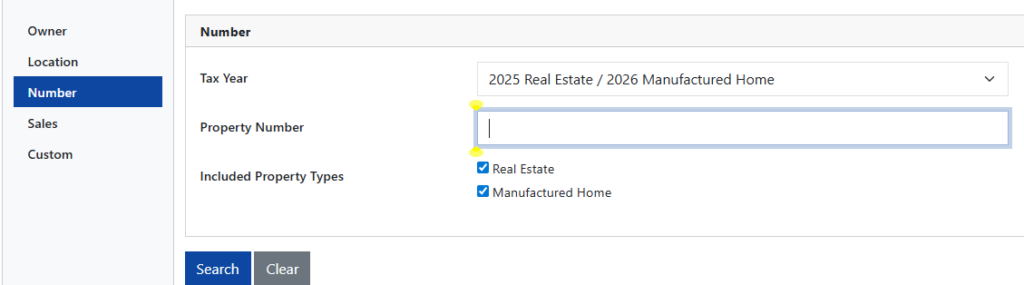
- Visit the official portal: https://clinton-auditor-public.issg.io/
- On the homepage, locate the Search / Quick Search section.
- Choose one search option:
- Parcel number
- Owner name
- Property address
- Enter the required information and click Search.
- Open the result to view or download available documents, usually in PDF format.
Common documents available online include:
- Certified revenue estimates
- Annual tax budgets
- Levy certification forms
- Fiscal year financial reports
Requesting Records by Visiting the Office
Users who prefer not to use the online system may request records in person at the Auditor’s Office. This option allows face-to-face assistance for locating specific documents.
How the in-person process works:
- Visit the Auditor’s Office during business hours
- Request the specific document needed
- Provide details such as document type and fiscal year
- Complete a written request form if required
- Receive copies according to public records timelines
This method is useful for users who:
- Need older or archived records
- Want help understanding financial documents
- Are not comfortable using online search tools
Clinton County Budget & Tax Levy Estimation Tool
This section helps readers calculate how approved tax levies affect their property taxes. After reading about the levy approval process, many users want real numbers, not just explanations. A Property Tax & Levy Impact Calculator placed here turns policy details into practical cost estimates. This tool connects millage rates, assessed property values, and estimated tax amounts in one place, which improves user engagement and keeps visitors on the page longer.
Property Tax & Levy Impact Calculator
The tax levy calculator Clinton County allows property owners to estimate their annual property tax and compare how new levy rates change their bill. It uses assessed property values and millage rates that local governments use for tax billing. To use the calculator, users should first find their assessed property value through the parcel search system, then enter that value into the tool.
Tool Functions
This property tax estimator should include the following features:
- Enter Property Value
Users input the assessed value of their property. - Select Millage Rate
Users choose the current or proposed millage rate. - Estimate Annual Tax
The tool calculates the estimated yearly property tax amount. - Compare Previous Levy Rate
Users can see the difference between old and new levy rates.
How the Calculator Works
The millage rate calculator uses this standard formula:
Estimated Property Tax = (Assessed Property Value × Millage Rate) ÷ 1,000
This formula shows how tax levies directly affect property tax bills and public fund distribution.
Online and Offline Use Options
Online Method
- Find assessed property value using the parcel search
- Enter property value and millage rate into the calculator
- View estimated annual tax and levy comparison
Office Method
- Visit the Auditor’s Office for assessed value confirmation
- Ask staff for levy rate details
- Use official assessment data to calculate tax impact manually
Differences Between Budget Commission & County Auditor
The budget commission vs county auditor comparison often confuses residents, since both deal with taxes and public finances. In simple terms, the budget commission focuses on approving tax rates and distributing revenue, while the county auditor handles property valuation and tax record administration. Both offices play different roles in local government funding, but they work together to keep fiscal processes accurate and transparent.
How Their Roles Differ in Fiscal Oversight
The budget commission acts as a county fiscal board that reviews budgets and approves tax levies. The county auditor works as the primary tax assessment and financial records official for the county. Each office has separate statutory duties, which prevents conflicts of interest and improves financial accountability.
Comparison Table: Budget Commission vs County Auditor
| Feature | Budget Commission | County Auditor |
|---|---|---|
| Primary Role | Approves tax levies and certifies revenue | Assesses property values and maintains tax records |
| Fiscal Authority | Acts as a tax budget review panel and revenue allocation board | Acts as the chief tax assessment and property valuation office |
| Key Duties | Levy rate determination, revenue certification, budget review hearings | Property valuation, tax duplicate maintenance, fiscal year reporting |
| Decision Type | Collective decisions by commission members | Administrative and statutory duties by the auditor |
| Financial Oversight Roles | Reviews municipal and township budgets | Tracks assessed values and tax billing data |
| Who It Serves | Municipalities, school districts, townships, special districts | Property owners, local governments, taxpayers |
Contact Information
This section provides direct contact details and official resources for residents who need assistance with tax levies, budget matters, and public records. It helps users reach the correct office, verify fiscal information, and review meeting documents.
Office Address
Clinton County Auditor’s Office
46 S South Street, Suite 210
Wilmington, Ohio 45177
Phone: (937) 382-2250
Meeting Documentation Access
Meeting records, tax budget documents, and fiscal reports are available through the Auditor’s website and public records system. Users can review:
- Budget commission meeting minutes
- Certified revenue estimates
- Annual tax budget filings
- Levy certification forms
How to access documents:
- Visit the official website.
- Navigate to Financials, Forms, or Public Records sections.
- Download meeting minutes or fiscal reports.
- Submit a public records request if a document is not listed online.
Frequently Asked Questions
Understanding how the budget and tax certification process works in Clinton County, Ohio can help residents make informed financial decisions. Many taxpayers have questions about levy approvals, revenue certification, and funding distribution. The following FAQs explain the structure, authority, and procedures of the county budget system. These answers are designed to provide clarity on fiscal oversight roles and property tax calculations. Each response reflects how local government funding is reviewed and approved under Ohio law. This section also supports transparency by explaining where official records and meeting information can be accessed.
What does the Clinton County Budget Commission do?
The Clinton County Budget Commission is responsible for reviewing, adjusting, and approving annual tax budgets submitted by local governments within the county. It certifies the total revenue available to municipalities, townships, school districts, and special taxing authorities. The commission also determines property tax levy rates within statutory limits set by Ohio law. By verifying assessed property values and projected revenue, it ensures financial stability across all taxing districts. Its role includes revenue certification, levy approval, and allocation oversight. This process guarantees that public funds are distributed fairly and lawfully.
Who are the members of the budget commission?
The Budget Commission consists of three key county officials who collectively oversee fiscal certification and levy approval. These members typically include the county auditor, county treasurer, and prosecuting attorney. Each official brings a different financial or legal oversight function to the commission. Together, they review budget submissions, confirm tax assessment data, and authorize certified revenue documents. Their signatures validate official levy rates before taxes are placed on the county tax duplicate. This structure ensures checks and balances in local government funding decisions.
How are tax levy rates determined?
Tax levy rates are calculated using assessed property valuations, budgetary needs of local entities, and legal tax limitations under Ohio statutes. Local governments first submit proposed budgets detailing expected expenditures. The commission compares those requests with available revenue and statutory millage caps. Voter-approved levies are factored into the final certified rate. Once reviewed, the approved millage rate is applied to taxable property values to determine individual tax obligations. This structured process maintains compliance with state law while funding essential public services.
How can I attend a budget commission meeting?
Budget commission meetings are generally open to the public in accordance with Ohio’s Open Meetings Law. Residents may attend scheduled sessions held at county administrative offices during announced dates and times. Meeting schedules are typically posted on the county’s official website or available through direct inquiry. Attendees may observe discussions regarding revenue certification and levy approvals. In some cases, meeting minutes and official documentation are published online for transparency. Public access supports accountability and informed community participation.
How does local government funding work?
Local government funding in Clinton County primarily comes from property taxes, voter-approved levies, state allocations, and intergovernmental transfers. Once revenue is certified, funds are distributed according to statutory formulas and budget approvals. Property valuation plays a central role in determining how much revenue each district receives. Municipalities, school districts, and townships rely on these funds for public safety, infrastructure, and essential services. The Budget Commission ensures that allocations align with certified revenue totals. This coordinated system promotes fiscal responsibility and equitable distribution.
Where can I find certified revenue documents?
Certified revenue documents, levy certifications, and annual tax budget reports can be accessed through official county resources. Many financial records are published on the county auditor’s website for public review. Residents may also submit a formal public records request if specific documents are not readily available online. These documents typically include revenue estimates, millage certifications, and allocation summaries. Access to this information supports transparency and public accountability. Reviewing official records allows taxpayers to better understand how local funding decisions are made.