Dog License Registration in Clinton County is required for all dogs over six months of age. It helps ensure pets are vaccinated, identified, and properly registered with local authorities. Licensing also supports pet ownership responsibility and keeps the community safe by helping return lost dogs to their owners quickly. Dog owners who maintain up-to-date licenses avoid fines and comply with local dog laws.
In Clinton County, a Clinton County Dog License must be renewed every year, with fees that may vary depending on whether the dog is spayed or neutered. Owners need to provide proof of rabies vaccination during registration. By keeping a dog’s license current, families show care for their pets and contribute to a safer, more organized community. Avoid fines by keeping your dog’s license up-to-date!
Why Dog Licensing is Important
A dog license is more than a legal formality; it keeps pets safe and ensures communities remain secure. Licensing makes it easier to identify dogs, monitor their health, and help local authorities enforce animal regulations. Maintaining animal control compliance also reflects responsible pet ownership, reducing risks for both pets and people in Clinton County Auditor.
Benefits of Dog Licensing
Licensing a dog comes with several advantages that directly benefit owners and their pets. It makes recovering lost dogs faster, ensures vaccination compliance, and helps fund programs that manage stray animals. Pet owners who maintain licenses demonstrate responsibility and contribute to community safety.
Key benefits include:
- Helps return lost pets: A registered dog with an ID tag can be quickly reunited with its family.
- Ensures vaccination compliance: Proof of current vaccinations keeps pets and the community safe.
- Supports animal control programs: License fees fund shelters, rescues, and stray dog management.
Real-Life Example: Max’s Story
Max, a golden retriever, slipped out of his yard during a sudden thunderstorm. Luckily, he had a dog license and an ID tag. Animal control located him within hours and returned him safely to his family. Without proper registration, Max could have been lost for days, highlighting the practical importance of dog licensing in real-life situations.
Health and Safety Advantages
Dog licensing also helps with pet health monitoring. Local authorities can track vaccination records and detect potential disease outbreaks early. Maintaining up-to-date licenses encourages owners to renew vaccinations and keep ID tags current, protecting pets’ health and public safety.
Additional advantages include:
- Easier tracking of rabies and other vaccinations
- Quick identification in emergencies
- Encourages responsible pet care habits
Contribution to Public Safety
Licensed dogs strengthen public safety in multiple ways. They are easier to manage in cases of strays or aggressive behavior, and animal control can respond faster to incidents. Licensing also builds trust between dog owners and local authorities, helping create safer neighborhoods for everyone in Clinton County.
Key public safety benefits:
- Faster response to lost or aggressive dogs
- Reduces legal disputes over stray animals
- Supports county-wide animal welfare initiatives
Who Needs a Dog License in Clinton County
All pet owners in Clinton County who own a dog are required to obtain a Clinton County Dog License. Licensing ensures that dogs are properly registered, vaccinated, and accounted for in local records. This requirement applies to residents regardless of whether the dog is kept indoors, outdoors, or used for breeding purposes. Maintaining current registration demonstrates responsible pet ownership and helps comply with local ordinances.
Age and Breed Requirements
Dog licensing rules differ depending on a dog’s age, breed, and status. Puppies usually must be registered once they reach a certain age, typically around six months. Adult dogs need annual renewal, and certain breeds may require additional documentation in line with county regulations. Licensing also applies to mixed breeds, purebreds, and dogs used for special purposes such as service dogs.
Key points:
- Dogs older than six months must be licensed.
- Puppies under six months may require temporary registration depending on vaccination status.
- Service dogs and therapy animals may be eligible for fee exemptions or special identification.
- Owners of multiple dogs must ensure each dog is individually registered.
Special Cases for Licensing
Certain circumstances can affect licensing requirements. Dogs that are part of breeding programs, those used in professional training, or dogs classified as aggressive by the county may have additional regulations. Residents should check with the county clerk or animal control office to verify their dog’s specific licensing needs.
Additional considerations:
- Multiple dogs owned by a single household must each have a license.
- Aggressive or restricted breeds may require additional permits.
- Temporary licenses are available for newly adopted puppies.
Clinton County Dog License Requirements Table
| Dog Type | License Requirement | Fee* |
|---|---|---|
| Puppies (under 6 months) | Initial registration | $5–$10 |
| Adult Dogs (6 months and older) | Annual license | $10 (spayed/neutered), $15 (unaltered) |
| Service Dogs | Registration with proof of certification | Often waived |
| Multiple Dogs | Each dog must be individually licensed | Per dog fee applies |
| Restricted/Aggressive Breeds | Registration + special permit | Varies by breed |
How to Register Your Dog in Clinton County
Registering your dog in Clinton County is straightforward and makes sure your pet meets county rules. Dog License Registration proves your dog is vaccinated, identifiable, and listed with county authorities. This helps keep pets safe, supports local animal control, and avoids fines for non‑compliance.
Gather Required Documents
Before you begin, collect the documents you’ll need to complete the registration:
- Vaccination certificate: Proof of current rabies shot from your vet.
- Proof of residence: A driver’s license, utility bill, or similar showing your Clinton County address.
- Dog information: Age, breed, and any special status (like service dog or therapy dog).
Choose Your Registration Method
Clinton County offers several ways to submit your application:
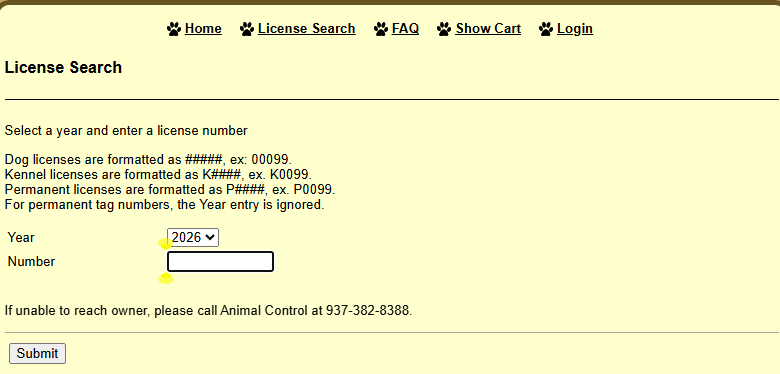
- Online registration: Start the process instantly by visiting the county’s official online portal: https://clintoncountyauditor.org/dog-license?
- Mail registration: Download the application form from the county website, attach copies of documents, and mail it with payment.
- In‑person registration: Bring your papers and payment to the Clinton County Auditor or Treasurer’s office. Staff can help verify everything.
Submit Application & Pay Fees
Complete the registration form and submit it with the correct fee. Fees can vary based on:
- Whether your dog is spayed or neutered
- Dog’s age
- Type of tag you choose (one‑year, multi‑year, or permanent)
Payment methods depend on the registration method you choose. Online payment typically accepts credit/debit cards, while mail and in‑person options may allow check or cash. Always double‑check all entered details before submitting to avoid delays.
Receive Your Tag & Certificate
Once processed, the county will issue:
- A dog license certificate you can keep as proof of registration.
- A dog identification tag to attach to your pet’s collar.
Tag Renewal and Expiration
Keeping a dog license current is an important responsibility for every pet owner in Clinton County. Tag renewal confirms that a dog remains legally registered and properly identified through county records. A valid license helps local officials reunite lost pets faster and supports ongoing vaccination tracking. Renewing on time prevents problems linked to license expiration and missed deadlines. It also helps owners avoid fines while staying compliant with county animal control rules.
When Dog License Tags Expire
Most Clinton County dog licenses follow an annual registration schedule, meaning the tag must be renewed each year. Even if a dog has been licensed before, the renewal is still required to keep records active. Expiration usually happens at the end of the registration year or based on the issue date printed on the certificate. Owners should check their dog’s current tag to confirm the renewal deadline. Staying aware of expiration dates reduces the chance of accidental non-compliance.
Common expiration situations include:
- Annual tags ending after the calendar registration year
- Newly adopted dogs requiring renewal the next year
- Permanent tags needing updated owner information over time
How the Tag Renewal Process Works
Renewing a Clinton County Dog License is usually a simple process when documents are prepared in advance. Pet owners must confirm that rabies vaccination records are still valid, since vaccination compliance is tied to licensing. Renewal can be completed online, by mail, or through an in-person visit at the county office. Once payment is submitted, the county issues an updated tag for the new licensing year. This renewal keeps the dog legally registered and properly listed in county files.
Typical renewal steps include:
- Locate the current license number and expiration year
- Confirm rabies vaccination paperwork is current
- Complete the renewal form using the chosen method
- Pay the required renewal fee before the deadline
- Receive the updated tag and license certificate
Avoid Late Fees and Missed Deadlines
Many pet owners forget renewal dates until the license has already expired, which may lead to extra charges. A renewal reminder system can make the process much easier each year. Renewing early helps avoid delays, especially during busy registration seasons. Keeping vaccination paperwork saved digitally also prevents last-minute searching. These small steps help owners stay compliant and avoid unnecessary penalties.
Helpful renewal strategies include:
- Online renewal: Quick option for most households
- Renew early: Submitting weeks ahead prevents stress
- Calendar alerts: Set a yearly phone reminder
- Save documents: Keep rabies certificates in a safe folder
- Multiple dogs: Renew each dog separately to avoid gaps
Fees and Payment Methods
The Clinton County Dog License fee depends on the dog’s type, age, and spay/neuter status. These fees support canine registration programs, animal shelters, and county-wide pet safety services. Paying the correct license fee helps owners follow local ordinances and keeps dogs properly identified. Clinton County also offers reduced-cost options through spay/neuter incentives, which reward responsible pet ownership. Knowing the fee structure and payment methods helps prevent delays during registration.
Dog License Fee Schedule in Clinton County
Clinton County sets license costs based on whether a dog is spayed or neutered, since altered pets often qualify for lower fees. Puppies and service animals may fall under special categories. The table below shows typical fee ranges, though exact costs may change slightly each year.
| Dog Type / Category | License Requirement | Typical Fee Range |
|---|---|---|
| Spayed/Neutered Adult Dog | Annual license required | $10 – $12 |
| Unaltered Adult Dog | Annual license required | $15 – $20 |
| Puppy Registration (Under 6 mo.) | Initial registration | $5 – $10 |
| Service Dog | Registration with documentation | Often waived or reduced |
| Multiple Dogs in Household | Each dog must be licensed | Per dog fee applies |
| Permanent Tag (if offered) | One-time registration fee | Varies by county policy |
Discounts and Spay/Neuter Incentives
Clinton County encourages responsible pet ownership by offering lower license fee rates for dogs that are spayed or neutered. These incentives help control stray populations and improve overall community pet health. Some special cases, such as certified service animals, may qualify for reduced or waived fees.
Discount situations may include:
- Reduced annual fees for neutered or spayed dogs
- Service animal fee waivers with proper proof
- Limited senior discounts depending on eligibility
Payment Methods Available
Paying for a Clinton County Dog License is simple, with several convenient options for residents. Owners may pay online, by mail, or directly at the county office.
Payment options include:
- Online payment portal (renewals):https://clintoncountyauditor.org/dog-tags/
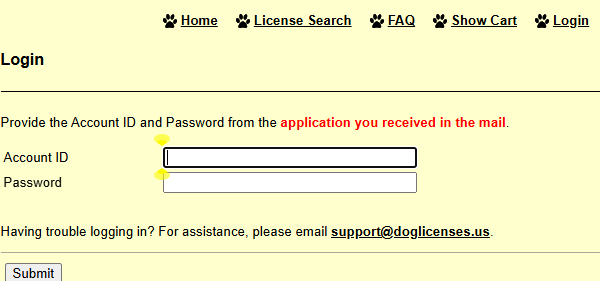
- Note: Online renewal may require an Account ID and Password mailed with your application. If you do not have login details, use the “License Search” option or contact the county office for help.
- Check or money order: Mail payment with registration forms
- In-person payment: Pay at the Clinton County Auditor or Clerk’s Office (cash/card where accepted)
Animal Control Compliance and Legal Requirements
Animal control compliance means following county laws that protect pets, owners, and the community. A valid dog license confirms that a dog meets health and identification rules required by Clinton County. Following these legal requirements helps reduce public safety risks and supports responsible pet ownership across the county.
Dog Laws Every Owner Must Follow in Clinton County
Clinton County enforces several local dog ordinances that apply to all residents who own dogs. These rules focus on safety, identification, and health monitoring. Dog owners are responsible for knowing and following these regulations at all times. Compliance helps prevent disputes, fines, and legal action.
Key legal requirements include:
- All dogs over the required age must have a current dog license
- Dogs must wear a visible identification tag when off the owner’s property
- Proof of rabies vaccination is required for licensing
- Owners must control their dogs in public areas
Leash Laws and Public Safety Rules
Clinton County has clear leash laws to protect people, pets, and property. Dogs must be restrained or under direct control when outside the owner’s property. Owner Occupancy Tax Reduction This reduces the risk of bites, traffic accidents, and conflicts with other animals. Owners remain responsible for any damage or injury caused by an uncontrolled dog.
Common leash-related rules include:
- Dogs must be on a leash in public spaces
- Dogs may not roam freely without supervision
- Owners must clean up after their dogs in public areas
Vaccination and Health Requirements
Vaccination requirements play a major role in animal control compliance. Rabies vaccination is mandatory for all licensed dogs. This protects pets, residents, and animal control staff from serious health risks. Updated vaccination records are required during registration and renewal.
Health-related responsibilities include:
- Maintaining current rabies vaccinations
- Providing vaccination proof during licensing
- Updating records when ownership changes
Consequences of Non-Compliance
Failing to follow pet regulations can result in penalties. Animal control officers may issue warnings, fines, or citations for unlicensed dogs or leash law violations. Repeated offenses may lead to higher fines or court involvement. Dogs without proper identification may also face delays in recovery if lost.
Possible consequences include:
- Monetary fines
- Late fees for expired licenses
- Citations from animal control
- Legal action for repeated violations
Lost or Replacement Tags
If your Dog License tag is lost, stolen, or damaged, it’s important to request a replacement as soon as possible. While the license itself may still be valid in county records, the physical tag serves as your dog’s primary pet ID for quick identification. During Tag Renewal season, missing tags can also create confusion in verification records. A visible, readable tag helps animal control officers return lost pets quickly and avoids unnecessary penalties. Acting promptly ensures your records stay accurate and compliant.
When Should You Replace a Tag?
A replacement should be requested immediately if the identification tag is missing or unreadable. Even if your registration is active, the tag must be attached to your dog’s collar at all times. Keeping the tag current protects your pet and confirms legal compliance.
Common reasons for lost tag replacement include:
- Tag lost during walks or outdoor play
- Collar breakage or detachment
- Faded or damaged numbers
- Tag stolen or misplaced
Process for License Reissue
Replacing a tag does not usually require a full new registration. The process is simple and designed to avoid inconvenience. Most offices handle the request quickly once the required information is verified. Having your license number ready can speed up the process significantly. A license reissue ensures your pet’s identification remains valid without interrupting your current registration period.
Follow these steps:
- Locate your existing Dog License number or receipt.
- Contact the county auditor or licensing office.
- Submit a replacement tag request form (online or in person).
- Pay the applicable replacement fee.
- Receive the new tag by mail or pick it up directly.
Fees and Processing Timeline
Replacement tag fees are generally lower than full license costs. In most cases, the fee ranges between $5–$10, though exact pricing may vary by county and year. Processing typically takes 3–5 business days, while mailed requests may take slightly longer depending on postal delivery times. Once received, attach the new tag to your dog’s collar immediately. Maintaining an updated tag helps ensure quick recovery if your pet becomes lost and keeps your records aligned for future Tag Renewal.
Frequently Asked Questions
A Dog License is an important requirement for responsible pet ownership in Clinton County. Completing proper Canine Registration helps maintain accurate county records and ensures lost pets can be returned quickly. Many residents have common registration questions about deadlines, fees, exemptions, and renewal procedures. The following renewal FAQs provide clear answers to help dog owners stay compliant. Understanding these details can prevent penalties and make the licensing process simple and stress-free.
How long does it take to receive a dog license?
Processing time depends on how you apply. In-person applications are often completed the same day, and you may receive the tag immediately. Online or mail-in applications usually take several business days to process. Delivery times can vary based on postal service schedules. Applicants should ensure all required documents are submitted to avoid delays. Providing correct rabies vaccination proof is essential. Most owners receive their tag within 3–7 business days.
Can I register multiple dogs at once?
Yes, owners can complete Canine Registration for more than one dog during the same transaction. Each dog must have a separate valid rabies certificate. Individual tags are issued for identification and tracking purposes. Fees apply per dog, even if registered together. Group registration can save time during renewal season. Make sure all dog details are accurate before submitting. This process simplifies compliance for multi-pet households.
When is dog license renewal required?
Annual renewal deadlines are typically set at the beginning of each calendar year. Owners must complete Dog License renewal before the official cutoff date to avoid penalties. Late submissions may result in additional fees. Renewal reminders may be mailed or posted online. It is the owner’s responsibility to track renewal dates. Early renewal helps avoid last-minute processing delays. Staying on schedule ensures uninterrupted registration status.
Are there any license exemptions?
Certain license exemptions may apply under specific circumstances. Service animals may qualify for special consideration. Temporary residents may have different requirements. Documentation is often required to confirm exemption eligibility. Owners should contact the county office for clarification. Not all working dogs automatically qualify. Always verify exemption status before assuming a waiver applies.
What happens if I miss the renewal deadline?
Missing the deadline can lead to late fees or penalties. Continued non-compliance may result in citations from animal control authorities. Owners are encouraged to renew as soon as possible if a deadline is missed. Paying promptly reduces additional financial penalties. Keeping proof of renewal is recommended. Delays can complicate pet recovery situations. Timely action helps restore compliance quickly.
What should I do if my dog license tag is lost?
If a tag is lost or damaged, request a replacement immediately. The original registration usually remains valid in county records. A small replacement fee may apply for reissuing the tag. Owners should provide their existing license number if available. Processing typically takes a few business days. Once received, attach the new tag securely to the collar. Maintaining visible identification supports faster pet recovery.
Is a license required for puppies?
Yes, puppies must be licensed once they reach the required age and receive a rabies vaccination. Early registration helps establish accurate ownership records. The same documentation rules apply as with adult dogs. Fees may vary depending on the license type selected. Owners should not delay registration beyond the legal timeframe. Licensing protects both the pet and the community. Completing registration early ensures full compliance from the start.